
| Key Insight | Explanation |
|---|---|
| Swiss process means structured clarity | A disciplined, phase-by-phase workflow eliminates guesswork, keeps clients calm, and produces consistently high-quality print magazines. |
| Editorial spine comes first | Every great magazine starts with a defined editorial strategy, not a design brief. Content direction shapes everything that follows. |
| Print is a brand asset, not a campaign | A well-made magazine stays in clients’ hands for months or years. It builds trust and brand perception in a way digital content cannot replicate. |
| Design precision elevates perception | Typography, white space, paper weight, and image curation are not aesthetic choices alone. They directly affect how a reader feels about your brand. |
| End-to-end management is the differentiator | Clients who don’t manage editorial, design, and print production in-house need a studio that handles every step without requiring hand-holding. |
| Premium print is growing, not shrinking | As of 2026, luxury brands are reinvesting in custom print as digital saturation erodes attention. Physical scarcity is now a strategic advantage. |
Swiss process publishing magazines refers to a structured, precision-driven approach to creating custom print publications, one that prioritizes editorial clarity, disciplined workflow, and transparent client communication at every phase. It treats each magazine as an engineered product, not a creative accident. For brands that care about quality and long-term perception, this methodology is the difference between a magazine people keep and one they discard.
The phrase draws on Switzerland’s well-documented reputation for precision in craft, from watchmaking to architecture. Applied to publishing, it describes a calm, phase-by-phase production process where nothing is left to improvisation. Editorial strategy comes first. Design follows content. Print production runs on verified specifications. The client knows exactly where their magazine stands at every stage.
This article breaks down what Swiss process publishing actually means, how it works from brief to delivery, why it produces measurably better outcomes for brand magazines, and what mistakes to avoid when commissioning a high-end publication. Whether you’re a CEO considering your first brand magazine or a marketing director who’s been burned by a chaotic production process before, you’ll find practical answers here.
What Is Swiss Process Publishing for Magazines?
Swiss process publishing is a methodology for creating custom print magazines using a structured, sequenced workflow that prioritizes editorial integrity, design precision, and transparent production management from strategy through to final delivery.
The Philosophy Behind the Term
Switzerland’s influence on visual communication is well documented. The Swiss Style, or International Typographic Style, emerged from Zurich and Basel in the 1950s and shaped the entire modern design world [1]. Its principles, clean grids, clear hierarchy, generous white space, and purposeful typography, are exactly the principles that make a print magazine feel premium rather than cluttered.
Swiss process publishing magazines applies that same philosophy to the production workflow itself. Not just how a magazine looks, but how it gets made. Every phase has a defined purpose. Every decision is documented. Nothing happens out of sequence.
This matters because most chaotic magazine projects fail at the process level, not the creative level. A talented designer working without a clear editorial brief produces beautiful pages that don’t serve the brand. A writer working without a content strategy produces articles that fill space without purpose. Structure is what makes creativity useful.
What Makes It Different from Standard Publishing
Standard publishing, especially at the corporate or in-house level, tends to be reactive. Someone decides a magazine is needed, a designer is briefed, content is gathered from whoever is available, and the result reflects that improvised approach.
Swiss process publishing reverses that sequence. The editorial spine (the overarching content strategy that defines what stories the magazine tells, for whom, and why) is established before a single layout is opened. Design decisions are made in service of that strategy. Print specifications are locked before production begins, not adjusted mid-run.
According to research published in digital media scholarship, print magazines are unique among nonfiction media in their dedication of staff and resources to in-depth, word-by-word verification of content [2]. A structured process is what makes that level of care possible at scale.
The result is a publication that feels intentional on every page, because it was.
How Swiss Process Publishing Works in Practice
A Swiss process approach to magazine publishing follows a defined sequence of phases, each with clear inputs, outputs, and approval gates before the next begins.
The Production Phases in Sequence
In practice, Swiss process publishing magazines follows a structure that looks roughly like this:
- Editorial strategy and brief. Define the magazine’s purpose, audience, editorial voice, content pillars, and issue theme. This is the editorial spine. Nothing moves forward without it.
- Content planning and commissioning. Assign articles, interviews, and visual features based on the editorial plan. Writers and photographers are briefed against a unified direction.
- Writing and editing. Content is written, fact-checked, and edited to a defined standard before it goes anywhere near a layout. Copy drives design, not the other way around.
- Design and layout. Art directors work from the edited content, building layouts that serve the editorial rhythm. Typography, image selection, and white space are treated as structural decisions, not decorative ones.
- Client review and approval. A structured review process with clear feedback cycles. Clients see defined versions, not endless iterations.
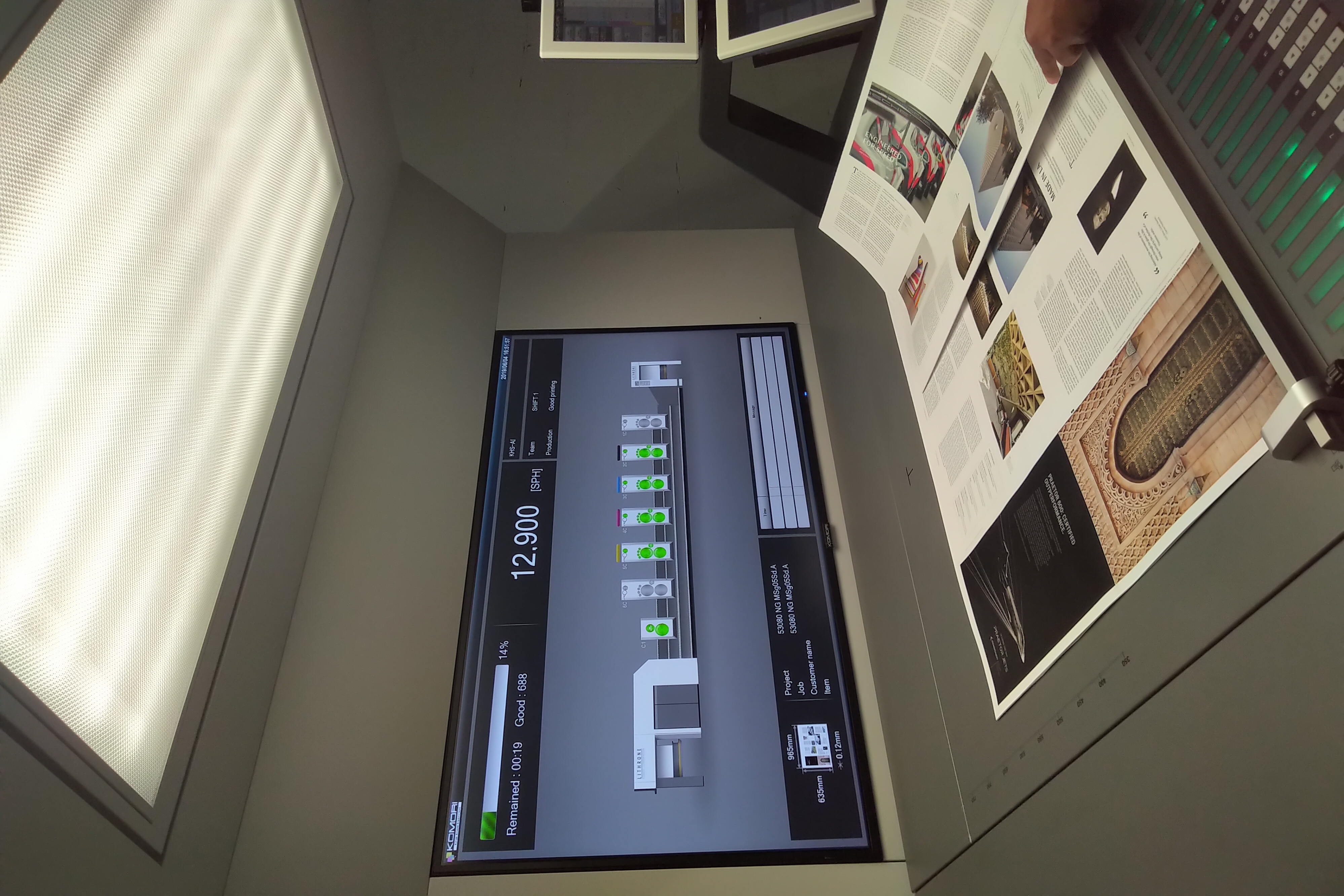
- Pre-press and print production. Files are prepared to verified specifications. Paper weight, binding method, color profiles, and print quantities are confirmed before plates are made.
- Quality control and delivery. Press proofs are reviewed. Final copies are checked before distribution. The magazine arrives as specified.
This sequence is not rigid for its own sake. It’s rigid because skipping or reordering steps is the single biggest source of cost overruns, missed deadlines, and mediocre output in custom magazine production.
The Role of Transparency in the Process
Transparency is not a soft value in Swiss process publishing. It’s a structural feature. Clients should know exactly what phase their project is in, what decisions are pending, and what approvals are required at each gate.
Industry analysts at the International News Media Association have noted that the most durable media brands, including Switzerland’s Beobachter, which has operated for nearly a century, build their longevity on trust and process consistency rather than reactive reinvention [3]. The same principle applies to brand magazines. A client who understands the process trusts the outcome.
Pro Tip: Before commissioning any magazine publisher, ask for a written production schedule that names every phase, every approval gate, and every deliverable. If a studio can’t produce that document in the first meeting, their process doesn’t exist in the way they’re describing it.
Key Benefits: Why This Approach Produces Better Magazines
Swiss process publishing magazines consistently outperform improvised production in three measurable ways: output quality, client experience, and brand longevity of the finished publication.
What Brands Actually Gain
The benefits aren’t abstract. Here’s what a structured process delivers in concrete terms:
- Consistent editorial quality across issues. When the process is documented, quality doesn’t depend on who’s having a good week. Standards are held regardless of which writer or designer is executing.
- Faster approvals with fewer revisions. When content strategy is agreed before production begins, clients aren’t surprised by the creative direction. Revisions drop significantly because expectations are aligned from the start.
- A magazine that reads like a real publication. Editorial-first sequencing produces publications with genuine narrative rhythm. Readers feel the difference between a magazine built on a content strategy and a brochure with longer articles.
- Premium physical quality. Process discipline extends to print specifications. Paper weight, binding, color accuracy, and finishing are not afterthoughts. They’re decisions made early and executed precisely.
- A publication people keep. The combination of editorial depth and physical quality produces something readers don’t discard. Research consistently shows that 81% of affluent US readers engage with print publications, and ultra-affluent readers consume 22% more print titles than average. A magazine made with Swiss process precision earns that engagement.
- Reduced client workload. A structured end-to-end process means the client’s only job is to approve the vision at defined points. They don’t manage writers, chase designers, or negotiate with printers.
Print’s Strategic Advantage in 2026
As of 2026, the custom publishing market is experiencing measurable reinvestment from premium brands. Digital saturation has eroded attention to the point where physical media’s scarcity is now a genuine competitive advantage. A well-produced brand magazine lands in a client’s home and stays there for months. A digital newsletter disappears in 48 hours.
Switzerland’s publishing ecosystem, which includes over 26 active magazine publishers [4] and a tradition of editorial rigor rooted in Swiss design principles [1], offers a useful model for how structured process and premium output reinforce each other. The global custom publishing market was valued at approximately $2.8 billion in 2023, with luxury brands leading the reinvestment in print as a brand differentiator.
| Magazine Type | Process Approach | Typical Outcome | Brand Longevity |
|---|---|---|---|
| In-house corporate magazine | Reactive, improvised | Inconsistent quality, feels like a brochure | Low (usually discarded) |
| Agency-produced brand content | Digital-first, print as afterthought | Competent but generic | Medium (kept briefly) |
| Swiss process brand magazine | Editorial-first, structured phases | Premium, reads like a real publication | High (kept for months or years) |
| Coffee table book | Fully curated, long production cycle | Archival quality, conversation piece | Very high (permanent display) |
Common Challenges and Mistakes to Avoid
The most common failures in brand magazine production are process failures, not creative ones. Understanding where projects go wrong is the fastest way to ensure yours doesn’t.
Where Magazine Projects Break Down
From experience working across hospitality, law, real estate, architecture, and even cybersecurity, the same patterns appear repeatedly when a magazine project struggles:
- Starting with design before editorial strategy. A common mistake is briefing a designer before the content strategy is defined. The result is a beautiful layout with no editorial coherence. Design should serve content, not precede it.
- Treating the magazine as a brochure with extra pages. A brand magazine is an editorial product. It has stories, perspectives, interviews, and narrative rhythm. If every article is a product announcement or a company update, it reads like marketing collateral, and readers disengage.
- Underestimating lead time. Quality print production takes time. Paper needs to be ordered. Print runs need to be scheduled. Pre-press checks take days, not hours. Projects that compress the production timeline inevitably compromise on quality somewhere.
- Unclear approval authority. One pitfall to watch for is the “too many stakeholders” problem. When five people have sign-off on content and design, feedback cycles become contradictory and the editorial voice gets diluted. One person should own the final approval.
- Confusing print-ready files with finished quality. A file that looks correct on screen can print incorrectly if color profiles, bleed settings, or resolution specifications are wrong. Pre-press expertise is not optional in premium magazine production.
The Misconception About Process and Creativity
Some clients worry that a structured process will constrain creative ambition. In practice, the opposite is true. A clear editorial brief gives designers and writers the freedom to be genuinely creative within a defined direction, rather than producing work that gets revised into mediocrity because no one agreed on the goal upfront.
Research into Swiss design traditions shows that the grid-based, systematic approach pioneered in Zurich and Basel didn’t limit creativity. It created the conditions for it [1]. The same logic applies to editorial process. Structure is the scaffolding that lets good ideas stand up.
Pro Tip: Assign one internal champion for your magazine project. This person owns the brief, consolidates feedback from stakeholders, and is the single point of contact for your publishing partner. This one decision will save more time and money than any other single choice you make.
Best Practices for Swiss Process Publishing Magazines in 2026
The principles of Swiss process publishing remain consistent, but how they’re applied has evolved as brands become more sophisticated about what print can and can’t do in a broader marketing strategy.
Build the Editorial Spine Before Anything Else
The editorial spine is the document that defines your magazine’s purpose, audience, tone of voice, content pillars, and issue-by-issue themes. It’s the equivalent of an architect’s brief before a building is designed. Without it, every subsequent decision is made in a vacuum.
A strong editorial spine answers these questions clearly:
- Who is this magazine for, specifically?
- What do we want readers to feel, know, or do after reading it?
- What stories will we tell, and what stories are off-limits?
- What is the editorial voice: authoritative, conversational, investigative, celebratory?
- How promotional is too promotional? Where is the line between editorial and marketing?
- What is the publication cadence, and how will content stay fresh across issues?
At Rethink Publishing, we’ve found that clients who invest time in the editorial spine phase produce significantly better magazines, and have a far smoother production experience, than those who skip it in favor of getting to design quickly.
Treat Print Specifications as Strategic Decisions
Paper weight, binding method, trim size, and finish are not technical details to be decided at the end. They’re brand decisions. A 170gsm uncoated stock communicates something completely different from a 130gsm gloss. Perfect binding signals permanence. Saddle-stitching signals accessibility. These choices should be made deliberately, informed by how you want the reader to feel when they pick up the magazine.
The Swiss design tradition, documented extensively through publications like Graphis, which introduced Swiss graphics to the world from 1944 onward [1], understood this intuitively. The physical object is part of the communication. Every tactile element carries meaning.
Best practices for print specifications in 2026 include:
- Lock paper and binding specifications before content production begins, not after
- Request physical paper samples from your printer before approving the stock
- Specify color profiles (typically ISO Coated v2 for European printing) in the initial brief
- Budget for a press proof on the first issue, even if it adds cost and time
- Consider sustainability certifications (FSC, PEFC) if your brand positions around environmental responsibility
Pro Tip: Request a physical dummy of your magazine before committing to final print. A dummy, printed on the actual paper stock at the actual trim size and page count, tells you more about how the finished product will feel than any digital proof ever can.
Sources & References
- Poster House, “The Swiss Grid”, 2026
- Linfield University Digital Commons, “Where Do Facts Matter? The Digital Paradox in Magazines’ Fact-Checking”, 2020
- International News Media Association, “A nearly 100-year-old Swiss magazine builds a powerful ecosystem on top of legal services and AI”, 2024
- PublishersGlobal.com, “List of Magazine Publishers in Switzerland”, 2026
- Columbia Business School, “Media Ownership and Concentration in Switzerland”, 2012
- Nieman Lab, “A Swiss publisher is trying to attract a paying audience with an app sampling stories across publications”, 2016
- Ensun, “Top 100 Magazine Publishing Companies in Switzerland”, 2026
Frequently Asked Questions
1. Do magazine publishers make a lot of money?
Revenue in magazine publishing varies significantly by model and market position. Boutique custom publishing studios working with premium brand clients operate on project-based fees that reflect the editorial, design, and production expertise involved, making individual projects considerably more valuable than volume-based publishing. For brands commissioning Swiss process publishing magazines, the investment is comparable to a brand film or flagship event: meaningful, but measured in reputation and client retention rather than immediate conversion.
2. What is the difference between a brand magazine and a corporate brochure?
A brand magazine is an editorial product with a defined content strategy, narrative structure, and genuine stories told with journalistic intent. A brochure is a marketing document designed to communicate product or service features. The distinction matters because readers engage with them differently. A magazine invites sustained attention. A brochure is scanned and set aside. Swiss process publishing magazines are built from the editorial spine outward, which is precisely what makes them feel like real publications rather than marketing collateral with extra pages.
3. How long does it take to produce a high-end brand magazine?
A quality brand magazine produced through a structured Swiss process typically requires 10 to 16 weeks from editorial brief to delivery, depending on page count, photography requirements, and print complexity. Rushing this timeline is one of the most common mistakes brands make. Compressing pre-press or print production to save weeks almost always introduces quality compromises that undermine the entire investment. Build in the time the process requires and the result reflects it.
4. Can a company produce a brand magazine without an internal editorial team?
Yes. This is precisely the model that works best for most premium brand clients. A fully managed publishing studio handles editorial strategy, writing, design, image sourcing, print production, and delivery. The client provides brand context, approves the editorial direction, and reviews defined versions at key stages. They don’t need to employ writers, art directors, or production managers. The Swiss process publishing approach is specifically designed so that the client’s only job is to approve the vision, not manage the execution.
5. What industries benefit most from a custom print magazine?
Any industry where client relationships, brand perception, and trust are primary drivers of business development can benefit from a well-produced magazine. In practice, this includes hospitality, private aviation, luxury real estate, architecture and design, private members’ clubs, law, finance, and wellness. Perhaps surprisingly, cybersecurity and technology firms have also found brand magazines effective for humanizing complex services and building credibility with C-suite decision-makers. The common thread is an audience that values depth over noise.
6. How does Swiss process publishing relate to Swiss design principles?
The connection is direct. The International Typographic Style, developed in Zurich and Basel from the 1950s onward, established principles of grid-based layout, typographic clarity, and purposeful white space that remain the foundation of premium editorial design today [1]. Swiss process publishing magazines applies these visual principles alongside the same systematic discipline to the production workflow itself. The philosophy is that structure and precision at every level, from content strategy to paper selection, produce outcomes that feel authoritative and considered rather than arbitrary.
7. Is print still relevant for brand marketing in 2026?
As of 2026, premium print is experiencing measurable reinvestment from luxury and prestige brands precisely because digital saturation has made physical media scarce and therefore valuable. Research consistently shows that 74% of millennials read print magazines, and 81% of affluent US consumers engage with print publications. A well-produced magazine isn’t competing with digital. It occupies different space in a client’s attention, physical space in their home or office, for months or years. Swiss process publishing magazines are designed to earn and hold that space.
Conclusion
Swiss process publishing magazines isn’t a style choice. It’s a production philosophy. It means building editorial strategy before design, sequencing every phase with discipline, treating print specifications as brand decisions, and keeping clients informed without requiring them to manage the work themselves.
The brands that get the most from a custom magazine are the ones who understand that quality is a process outcome, not a creative accident. When every phase is executed with precision, the finished publication reflects it. Readers feel it. They keep the magazine. They bring it up in meetings months later. They associate your brand with the same level of care they hold in their hands.
Rethink Publishing has built 80+ high-end magazines and 30+ coffee table books on exactly this foundation. Over 20 years, across hospitality, law, architecture, real estate, private aviation, and more, the process has remained consistent because it works. If you’re ready to invest in a publication that carries your brand’s voice into the world with the weight it deserves, visit www.rethink-publishing.com to start the conversation.
Recommended Articles
Explore more from our content library: