
| Key Insight | Explanation |
|---|---|
| Touch triggers trust | Physical interaction with brand materials activates emotional memory pathways that digital content cannot replicate. |
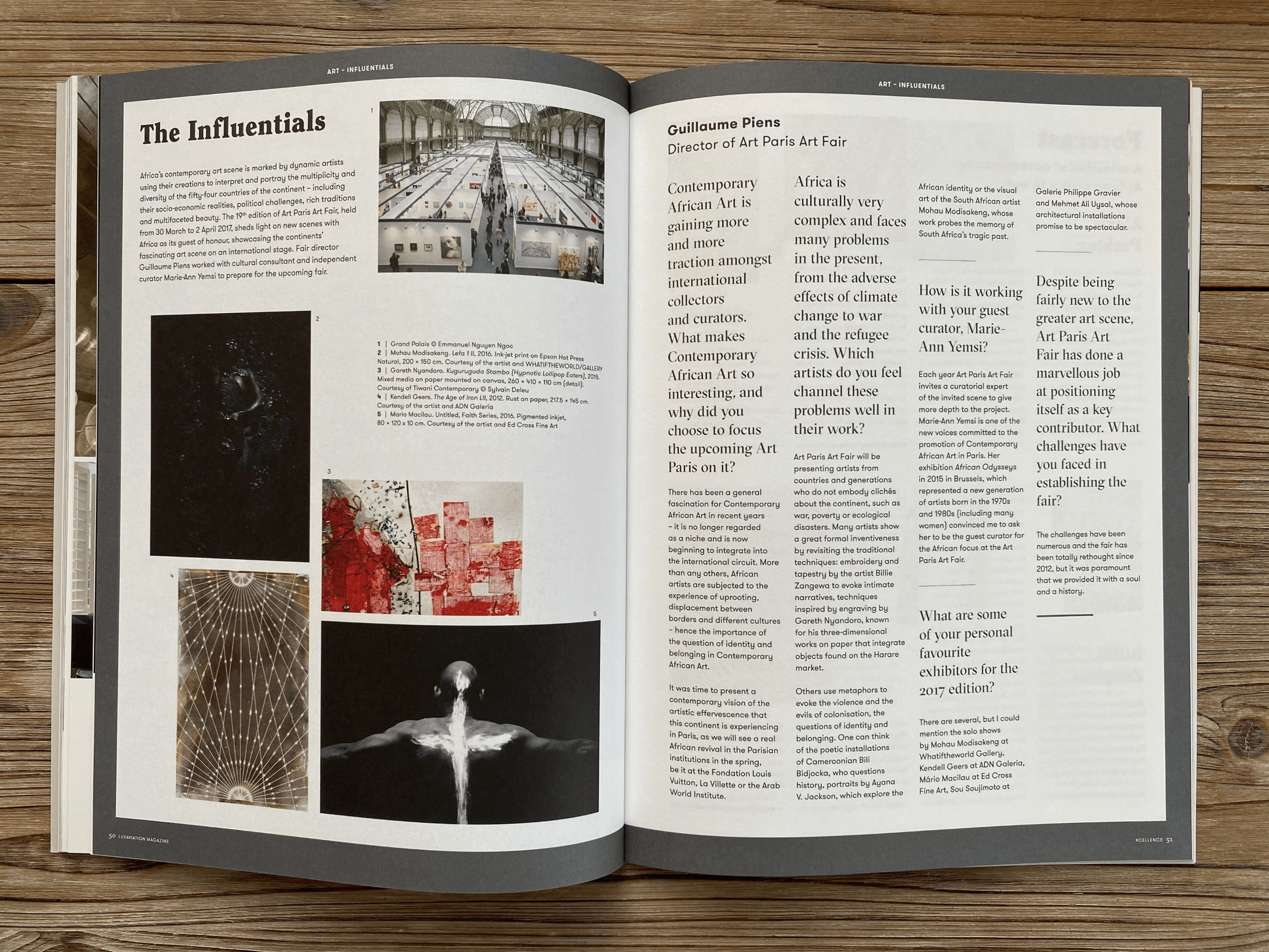
| Print is the flagship tactile asset | High-end magazines and coffee table books are among the most enduring tactile marketing tools available to premium brands. |
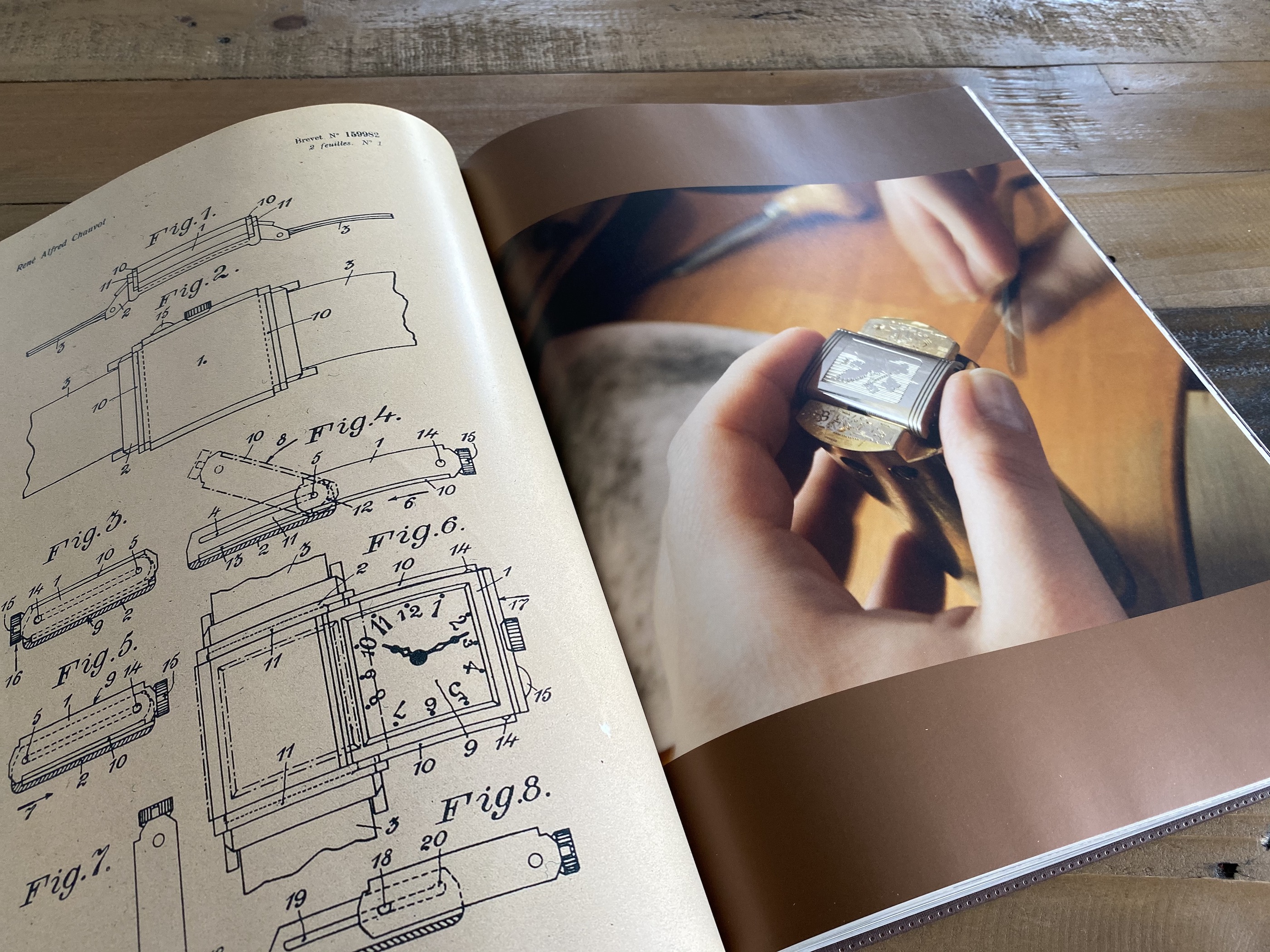
| Material quality signals brand quality | Paper weight, binding, and finish communicate brand values before a single word is read. |
| Digital fatigue is real in 2026 | Audiences are increasingly disengaged from screen-based content, making physical touchpoints more distinctive and valuable. |
| Tactile and digital work together | The most effective brand strategies use print as the flagship asset that feeds and elevates all other channels. |
| Not every brand needs it equally | Tactile marketing delivers the highest ROI for premium, relationship-driven brands where trust and perception are the primary purchase drivers. |
A tactile marketing strategy uses physical, touchable brand materials to create emotional connections with audiences that digital channels simply can’t replicate. It works because the human sense of touch is directly linked to memory, trust, and perceived value. For premium brands, it’s one of the most powerful tools in the entire marketing mix.
Most marketing conversations in 2026 still center on digital: paid ads, email sequences, social content. Those channels have a role. But they also have a ceiling. A tactile marketing strategy breaks through that ceiling by giving your audience something they can hold, feel, and keep.
This article covers what tactile marketing actually is, why the psychology behind it is so compelling, the specific benefits for brand-driven businesses, the mistakes that undermine results, and the practical steps to build a tactile strategy that works. Whether you’re a CEO, a CMO, or a brand leader responsible for how your company is perceived, this is the guide you need.
What Is a Tactile Marketing Strategy?
A tactile marketing strategy is a deliberate approach to brand communication that prioritizes physical, touch-based materials to engage audiences, build trust, and reinforce brand perception. It goes far beyond handing out business cards. Done well, it’s an editorial and sensory system.
The Core Definition
Tactile marketing strategy is the intentional use of physical brand materials, including print magazines, coffee table books, direct mail, packaging, and branded objects, to create sensory experiences that deepen a customer’s relationship with a brand. According to Amsive, tactile marketing is “the connection between a marketable content strategy and a consumer’s need to physically interact with branding materials” [1]. That definition is useful because it frames touch not as a gimmick, but as a genuine consumer need.
The strategy is grounded in sensory marketing, a broader discipline that engages customers through all five senses. As researchers at Harvard Business Review noted, “marketers are only beginning to understand how deeply sensory cues shape consumer behavior and brand perception” [2]. Touch, specifically, is the most intimate of those cues.
What separates a tactile marketing strategy from simply “printing stuff” is intentionality. Every material choice, paper weight, finish, format, and texture, communicates something about the brand before the reader processes a single word.
Where Tactile Marketing Fits in the Brand Mix
Tactile marketing doesn’t replace digital. It anchors it. Think of it as the flagship asset in a broader strategy: the print magazine or coffee table book that gives your digital content context, weight, and permanence.
According to Tactive, tactile marketing encompasses “marketing items, swag, printed pieces, or other promotional material to connect with an audience and help form a positive brand association” [3]. For premium brands, though, the most powerful form of tactile marketing is an editorially curated print publication. Not a brochure. Not a flyer. A publication people actually read and keep.
- Print magazines: Long-form editorial content in a premium physical format
- Coffee table books: Brand storytelling through photography, design, and narrative
- Direct mail: Targeted physical communications with tactile design elements
- Packaging: The first physical touchpoint in a product brand experience
- Branded objects: Notebooks, cards, and materials that carry brand identity into daily life
The key distinction is quality. A tactile marketing strategy only works when the physical material is good enough to justify the reader’s attention. Cheap print communicates a cheap brand.
How Tactile Marketing Works: The Psychology Behind Touch
Tactile marketing works because the human brain processes physical touch differently from visual or auditory stimuli, activating deeper emotional and memory responses that drive brand preference and loyalty.
The Neuroscience of Touch in Marketing
Touch is the first sense humans develop. It’s processed in the somatosensory cortex and is deeply connected to the limbic system, which governs emotion and memory. When someone picks up a beautifully produced print magazine, they’re not just reading content. They’re forming a neurological impression of the brand behind it.
Research published through Yale School of Management confirms that multi-sensory marketing, particularly touch, creates stronger brand recall and more positive brand associations than single-sense approaches [4]. Specifically, the weight and texture of a printed piece influences perceived quality. A heavier paper stock signals premium value. A matte finish suggests sophistication. These aren’t subjective preferences. They’re measurable psychological responses.
The NOAA research repository includes academic work on tactile perception and consumer preferences, confirming that material texture directly influences willingness to pay and perceived product quality [5].
The Endowment Effect and Physical Ownership
There’s another psychological mechanism at work: the endowment effect. Once someone holds a physical object, they assign it greater value than an equivalent digital asset. This is why a beautifully produced brand magazine, sitting on a client’s coffee table, continues to work for your brand months after it was delivered.
Digital content disappears in 48 hours. A print magazine can stay in a client’s home or office for months, sometimes years. Every time they pick it up, your brand is present. That’s a level of sustained attention no social media campaign can buy.
According to Coaster Factory’s analysis of tactile psychology, physical marketing materials “create genuine, memorable connections through tangible materials that people can feel, hold, and interact with” in ways that digital campaigns fundamentally cannot replicate [6].
Pro Tip: The paper stock you choose is a brand decision, not a production decision. A 170gsm coated cover with a soft-touch laminate tells a completely different brand story than an 80gsm uncoated sheet. Brief your publisher on your brand values first, then let material choices follow from that.
Key Benefits of a Tactile Marketing Strategy in 2026
A well-executed tactile marketing strategy delivers measurable advantages in brand trust, client retention, and perceived premium positioning, especially for businesses operating in competitive, relationship-driven markets.
Why Physical Touchpoints Cut Through in 2026
Digital saturation is not a new problem, but it has reached a new threshold. As of 2026, the average professional is exposed to thousands of digital brand impressions daily. Most are ignored. The inbox is overloaded. Social feeds are algorithmically unpredictable. In that environment, a physical brand asset is genuinely rare. That scarcity is now a strategic advantage.
Consider these specific benefits:
- Higher retention: Physical materials are recalled more accurately than digital equivalents. Research from Glion Institute confirms that sensory engagement, particularly touch, significantly improves brand memory [7].
- Longer engagement time: People spend more time with print than with digital content. A well-designed magazine commands 20 to 45 minutes of uninterrupted attention, something no banner ad or email newsletter achieves.
- Elevated brand perception: The quality of your physical materials directly influences how clients perceive your brand’s overall quality. A premium magazine signals that you invest in excellence.
- Physical permanence: Unlike a social post, a print magazine doesn’t disappear. It stays in the room, on the desk, on the coffee table, working for your brand continuously.
- Conversation catalyst: In our experience at Rethink Publishing, clients regularly report that their magazine gets picked up in meetings, referenced in conversations, and shared with colleagues months after delivery.
- Audience differentiation: 81% of affluent US consumers read print publications. Ultra-affluent readers consume 22% more print titles than average. 74% of millennials read print magazines. These are the audiences premium brands most want to reach.
Comparing Tactile vs. Digital Marketing Formats
| Attribute | Tactile (Print) | Digital |
|---|---|---|
| Lifespan | Months to years | Hours to days |
| Average engagement time | 20-45 minutes | Seconds to minutes |
| Brand recall | High (multi-sensory) | Lower (visual only) |
| Perceived value signal | Premium (material quality) | Neutral to low |
| Sharing behavior | Physical pass-along | Click-to-share (low friction) |
| Competitive clutter | Low (scarce channel) | Extremely high |
| Best for | Trust, retention, brand elevation | Reach, speed, conversion |
The point isn’t that one format beats the other. A smart brand uses both. But for premium, relationship-driven businesses, print is the anchor that gives digital content its credibility and weight.
Common Mistakes Brands Make with Tactile Marketing
The most common mistake in tactile marketing is confusing quantity with quality: producing physical materials that look and feel cheap, which actively damages brand perception rather than enhancing it.
Treating Print Like a Brochure
A brochure is a sales document. A magazine is an editorial product. These are not interchangeable. One of the most consistent mistakes brands make is producing a “magazine” that reads like a product catalog with a glossy cover. The content is promotional. The stories are thin. The design is template-driven. Readers feel the difference immediately, and they don’t keep it.
In practice, a real brand magazine has an editorial spine (a defined point of view and content strategy), stories that serve the reader’s interests, not just the brand’s, and design that gives words and images room to breathe. According to Dynagraphic Printing’s analysis of tactile marketing, the most effective physical materials “create tangible touchpoints that engage the senses and foster deeper connections” precisely because they prioritize quality over volume [8].
Underestimating the Role of Material Choice
A common pitfall is leaving paper and finish decisions to the printer rather than treating them as brand decisions. The tactile experience of a publication begins the moment someone picks it up, before they’ve read a single headline.
- Paper weight: Thin, lightweight paper communicates low investment. A heavier stock signals premium quality.
- Finish: Gloss finishes feel commercial. Matte and soft-touch finishes feel editorial and considered.
- Binding: Perfect binding (a flat spine) reads as a proper publication. Saddle-stitching works for shorter formats but can feel less substantial.
- Color accuracy: Poor print calibration undermines photography and design quality, regardless of how good the original files were.
One pitfall to watch for: brands that invest heavily in design but cut costs at the print production stage. The result is a beautiful file printed on mediocre stock. The reader feels the disconnect, even if they can’t articulate it.
Pro Tip: Request printed paper samples from your publisher before approving the final production spec. Digital proofs show color. Physical samples show weight, texture, and finish — the three things that determine how a reader perceives your brand the moment they pick up the magazine.
Skipping the Editorial Strategy
Tactile marketing fails when the physical quality is high but the content is hollow. A beautifully printed magazine with weak editorial is a missed opportunity. The content strategy should be defined before a single page is designed. What is the publication’s point of view? Who is it for? What will readers learn or feel? These are editorial questions, not design questions.
From experience working with brands across hospitality, architecture, law, and cybersecurity, the publications that get kept and referenced are the ones that read like real magazines, with genuine stories, considered interviews, and a clear editorial voice that reflects the brand without being a sales pitch.
Best Practices for Tactile Marketing Strategy in 2026
An effective tactile marketing strategy in 2026 starts with editorial clarity, invests in material quality, and treats the physical publication as a long-term brand asset rather than a one-time campaign deliverable.
Build Your Tactile Strategy Around an Editorial Spine
The editorial spine (the defined content strategy, tone of voice, and point of view for your publication) is the foundation everything else is built on. Without it, you get a collection of content rather than a cohesive publication.
- Define your audience precisely. Not “our clients,” but a specific description of who this publication is for, what they care about, and what they want to learn or feel.
- Establish a content framework. What sections will the magazine have? What types of stories will it tell? How promotional is too promotional? (Answer: if more than 20% of the content is directly about your products or services, it reads as a brochure.)
- Set a tone of voice. The magazine should sound like the brand, but it should also read like a real publication. Authoritative, considered, and genuinely useful to the reader.
- Choose a format that fits the brand. Size, page count, frequency, and distribution method should all follow from brand strategy, not from budget shortcuts.
- Invest in photography. Images are half the tactile experience. Weak photography undermines even the best paper stock and typography.
Integrate Tactile Marketing with Your Broader Brand Strategy
Print works best as the flagship asset in a multi-channel brand strategy. According to research via edX’s sensory marketing strategy course, sensory marketing strategies “engage customers with a dialogue urging them to experience the brand” in ways that create lasting memory [9]. The print publication creates that deep engagement. Digital channels then extend and reinforce it.
- Use magazine content as source material for social posts, email newsletters, and website articles
- Distribute print to high-value clients and prospects as a relationship touchpoint, not a mass mailer
- Feature the magazine in client meetings and hospitality settings where physical presence matters
- Archive issues on your website as a signal of editorial credibility and brand longevity
Pro Tip: The most effective tactile marketing strategies treat the print magazine as the content hub, not a content channel. Every story in the magazine can become a social post, a newsletter feature, or a website article. You’re not producing content for print instead of digital — you’re producing content at a quality level that works across every format.
One important note: a tactile marketing strategy is a long-term investment. The ROI is measured in brand perception, client retention, and the quality of relationships it creates, not in immediate click-through rates. Brands that understand this get significantly more from their investment than those who expect quick conversion metrics.
Industry analysts consistently note that tactile engagement cuts through digital clutter in ways that are becoming more, not less, valuable as screen-based saturation increases [10].
Sources & References
- Amsive, “What Is Tactile Marketing?”, 2023
- Harvard Business Review, “The Science of Sensory Marketing”, 2015
- Tactive, “What is Tactile Marketing?”, 2023
- Yale School of Management, “Five Insights from Multi-Sensory Marketing”, 2022
- NOAA Research Repository, “Understanding the Effects of Tactile Marketing on Preferences”, 2022
- Coaster Factory, “The Psychology of Tactile Marketing: Paper vs Plastic”, 2023
- Glion Institute, “Unlock Sensory Marketing: What it is and Why it Works”, 2023
- Dynagraphic Printing, “The Importance of Tactile Marketing in Modern Strategies”, 2023
- edX / State Bank of India, “Introduction to Sensory Marketing Strategy”, 2023
- Printavizion, “Elevate Your Marketing Strategy with Tactile Engagement”, 2023
Frequently Asked Questions
1. What is tactile marketing?
Tactile marketing is a brand strategy that uses physical, touchable materials, such as print magazines, direct mail, packaging, and branded objects, to create sensory experiences that build emotional connection and brand recall. Unlike digital marketing, which engages sight and sound only, a tactile marketing strategy activates the sense of touch, triggering deeper memory and trust responses that influence long-term brand preference and client loyalty.
2. What is the 3 3 3 rule in marketing?
The 3 3 3 rule in marketing is a strategic focus framework that recommends concentrating on three core brand messages, three distinct audience segments, and three primary marketing channels where those audiences are most active and receptive. In practice, it’s a prioritization tool that prevents brands from spreading effort too thinly across too many messages or platforms, and it applies equally to tactile marketing strategy: choose the physical formats that serve your top three audience segments most effectively rather than producing every possible type of print material.
3. What are the best examples of tactile marketing strategy?
The most effective tactile marketing examples include custom brand magazines distributed to high-value clients, premium coffee table books produced for hospitality and real estate brands, tactile direct mail with embossed or soft-touch finishes, and branded packaging that communicates quality through material weight and texture. For premium brands, a custom print magazine is the highest-impact tactile marketing asset because it combines editorial credibility, physical permanence, and brand storytelling in a single format that clients actively choose to keep and display.
4. How does tactile marketing differ from sensory marketing?
Sensory marketing is the broader discipline of engaging customers through all five senses, including sight, sound, smell, taste, and touch. Tactile marketing is a specific subset of sensory marketing that focuses exclusively on the sense of touch. A tactile marketing strategy uses material texture, weight, finish, and physical format to communicate brand values and create emotional responses. Olfactory marketing (scent) and sonic branding are other sensory marketing disciplines, but touch remains the most directly linked to perceived quality and trust.
5. Is tactile marketing still relevant in 2026?
Yes, and arguably more relevant than ever. As digital channels become more saturated and audiences more fatigued by screen-based content, physical brand materials stand out precisely because they’re rare. Research from Yale School of Management confirms that multi-sensory marketing creates stronger brand recall than single-sense digital approaches. For premium and luxury brands in particular, a tactile marketing strategy signals quality, investment, and seriousness in ways that no digital campaign can match. The global custom publishing market was valued at approximately $2.8 billion in 2023 and continues to grow as brands rediscover the power of physical media.
6. What makes a print magazine an effective tactile marketing tool?
A print magazine is effective as a tactile marketing tool because it combines multiple sensory cues (the weight of the paper, the texture of the cover, the visual rhythm of the layout) with long-form editorial content that holds a reader’s attention for 20 to 45 minutes. That sustained engagement is unmatched by any digital format. When the editorial quality is high and the production values are premium, a magazine becomes a keepsake rather than a marketing deliverable, staying in clients’ homes and offices for months or years and continuously reinforcing brand presence.
If you’re evaluating whether a tactile marketing strategy is right for your brand, the honest answer depends on what you’re trying to achieve. If you want fast leads, there are cheaper and faster tools. But if you want to build genuine brand trust, deepen client relationships, and create marketing assets that people actually keep, a well-produced print publication is one of the most powerful investments available.
At Rethink Publishing, we’ve spent 20+ years producing custom print magazines and coffee table books for brands across hospitality, real estate, architecture, law, and design. We handle everything from editorial strategy to print delivery, so our clients focus on their business while we build the publication. The result is a magazine that feels like a high-end lifestyle title, because it is one.
Recommended Articles
Explore more from our content library: