
| Key Insight | Explanation |
|---|---|
| Physical objects carry emotional weight | Research in object psychology shows that tangible items trigger memory and identity in ways screens cannot replicate. |
| The endowment effect drives retention | People assign greater value to objects they physically hold, which is why a beautifully made magazine is kept rather than discarded. |
| Slow attention builds deeper trust | Print commands minutes of focused reading versus seconds for digital content, creating stronger brand associations. |
| Quality signals competence | The tactile quality of a publication transfers directly to how readers perceive the brand that produced it. |
| Keepsakes extend brand presence | A magazine on a coffee table keeps a brand visible for months without any additional media spend. |
| Print is a long-term brand investment | Unlike a campaign that disappears, a keepsake publication compounds in value as it circulates and is revisited over time. |
Keepsake publication psychology is the study of why people retain, display, and emotionally bond with physical printed materials. It explains the cognitive and emotional mechanisms that make a beautifully made magazine or book feel worth keeping, not just reading once. For brands, understanding this psychology is the difference between producing a forgettable marketing piece and creating something clients return to for months or years.
The short version: physical objects trigger memory, identity, and trust in ways a screen cannot. A well-made print publication isn’t just content delivery. It’s an object with psychological weight. And that weight is exactly what makes keepsake publication psychology so relevant to any brand that wants to build real, lasting relationships with its audience.
This article covers the cognitive science behind why we keep things, how that psychology applies directly to branded print, and what separates a magazine people display from one that ends up in a recycling bin.

What Is Keepsake Publication Psychology?
Keepsake publication psychology is the field that examines why certain printed objects are preserved, revisited, and displayed while others are discarded. It draws on cognitive science, behavioral economics, and object relations theory to explain how physical publications create lasting emotional and brand connections.
Defining the Keepsake Object
A keepsake, in its broadest psychological sense, is an object that carries material continuity with a person, place, or experience from one’s past. As academic research on the subject notes, keepsakes “bear a material continuity with some person, event, or place from one’s past to which one has a personal attachment” [1]. That attachment isn’t random. It’s triggered by quality, context, and the meaning embedded in the object at the moment it was received.
Print publications occupy a unique position in this framework. Unlike a digital file, a magazine has weight, texture, smell, and visual presence. These sensory properties activate what psychologists call embodied cognition, the process by which physical interaction with an object shapes how we think and feel about it. When someone holds a beautifully produced magazine, their brain is already forming associations before they’ve read a single word.
The tradition of print publications designed to be kept dates back centuries. The Keepsake, an English literary annual published from 1827 to 1857, was explicitly produced as a gift object meant to be treasured and displayed — an early demonstration of the same psychological principles that drive modern keepsake publication strategy.
Why This Matters for Brand Strategy
For a brand, the implications are direct. If a publication is made with genuine craft, the reader’s brain assigns that quality to the brand itself. This isn’t abstract. It’s a measurable cognitive transfer. Research on haptic sensation (the sense of touch) consistently shows that the physical properties of an object influence judgments about the entity associated with it [2].
- Heavy, high-quality paper signals authority and permanence
- Refined typography suggests precision and care
- Considered image selection communicates taste and editorial intelligence
- A clear editorial spine (the organizing idea running through the whole publication) signals that the brand has something real to say
This is why keepsake publication psychology isn’t just an interesting academic concept. It’s a practical framework for understanding why a great brand magazine works, and why a mediocre one doesn’t.
The Science of Why We Keep Things
People keep physical objects because those objects serve as memory anchors, identity markers, and emotional regulators. Understanding these three functions explains why a well-made publication stays on a desk for a year while a brochure lasts a week.
Memory, Identity, and the Endowment Effect
Psychological studies show that humans have a natural tendency to form emotional attachments to physical objects, particularly those associated with meaningful moments or relationships [3]. This is partly explained by the endowment effect, a well-documented cognitive bias first described by behavioral economists Richard Thaler and Daniel Kahneman. The endowment effect holds that people assign greater value to objects they physically possess than to identical objects they don’t own. Once a reader holds your magazine, its perceived value increases simply because they’re holding it.
Memory anchoring works alongside this. Physical objects serve as retrieval cues. When a client picks up a magazine they received six months ago, they don’t just re-read it. They re-experience the context in which they first received it: the meeting, the relationship, the impression of the brand at that moment. The magazine keeps that memory active in a way no email newsletter can.
The scale of this effect is significant. According to the Two Sides North America Print and Paper Facts report, 79% of consumers act on direct mail immediately, compared to just 45% who say they deal with email right away — underscoring how physical print commands a fundamentally different level of engagement and retention than digital alternatives.
The Role of Attention and Slow Reading
Digital content is consumed in a state of partial attention. Research consistently shows that readers spend an average of 15 seconds on a web page before deciding whether to stay [2]. Print commands a fundamentally different cognitive state. Reading a physical magazine is a deliberate, embodied act. The reader has chosen to sit with it. That choice alone creates a different quality of attention.
Gretchen Rubin, author and behavioral researcher, has written about the psychological value of physical objects in organizing memory and creating “outer order that contributes to inner calm” [4]. A well-made publication contributes to that order. It feels like it belongs in the environment. It earns its place.
Pro Tip: The first sensory impression of your publication sets the psychological tone for everything inside it. Paper weight, cover finish, and binding quality are not production details. They are the first message your brand sends before a single word is read.
The Keepsake Chronicles project, a storytelling program for people living with dementia, demonstrated this principle in a clinical context: physical objects and printed materials triggered recall and emotional engagement far more reliably than digital prompts [5]. The mechanism is the same for brand publications, just applied to a different kind of memory.
Further supporting the case for print’s psychological impact, a study by Temple University’s Center for Neural Decision Making found that physical media produced 21% higher motivation and desire responses in participants compared to digital media, and that physical ads were processed more deeply in areas of the brain associated with value and desirability.
| Medium | Average Attention Time | Retention After 1 Week | Physical Presence |
|---|---|---|---|
| Social media post | 2-3 seconds | Very low | None |
| Email newsletter | 15-30 seconds | Low | None |
| Digital article | 1-3 minutes | Moderate | None |
| Brand print magazine | 20-45 minutes | High | Ongoing (months) |
How Keepsake Publication Psychology Shapes Brand Perception
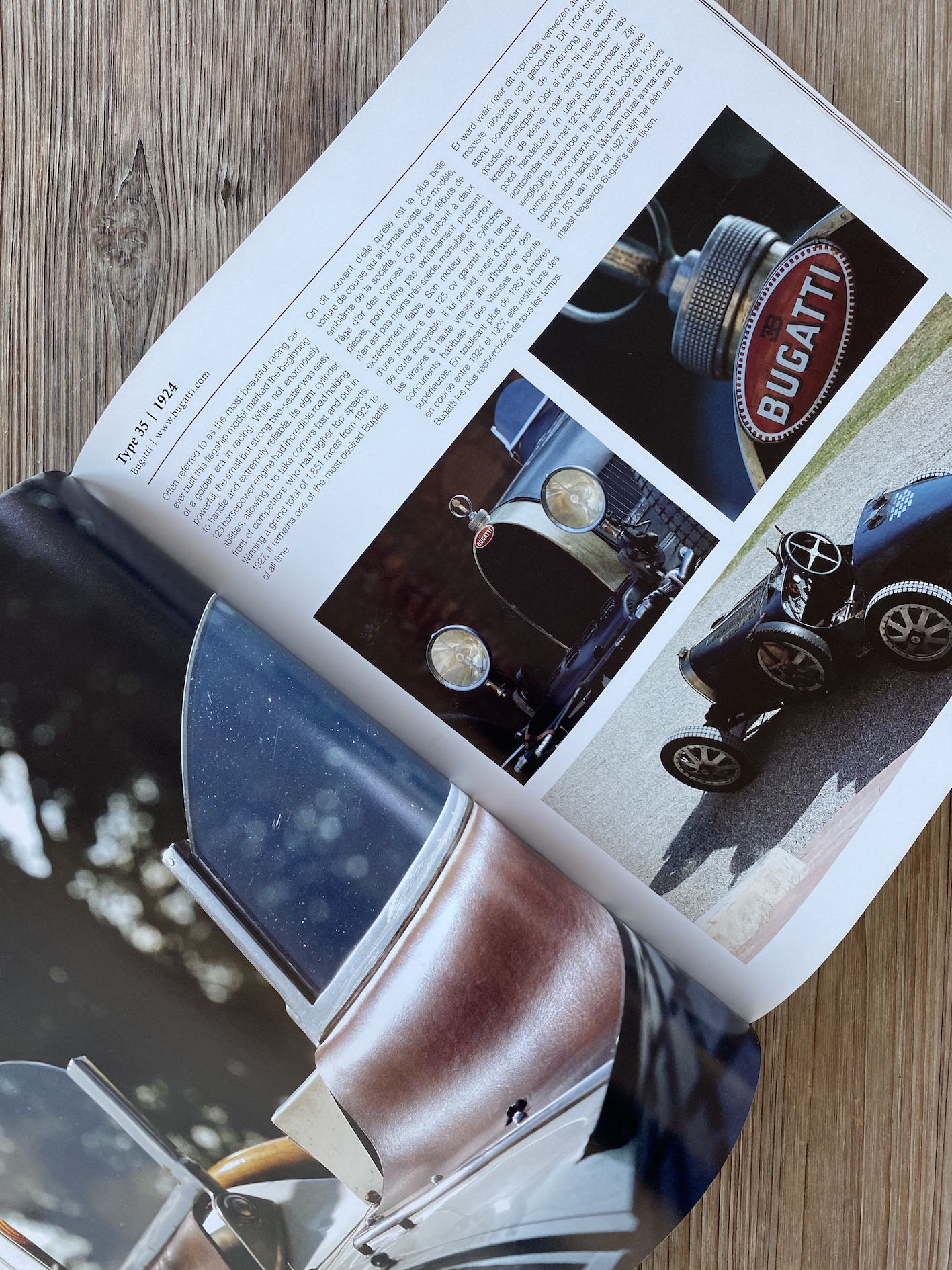
The psychology of keepsake publications directly shapes how readers perceive and trust the brands behind them. When a publication is made with genuine craft, it triggers a cognitive transfer: the quality of the object becomes the perceived quality of the brand.
The Trust Transfer Mechanism
In practice, this plays out in a specific sequence. A client receives a beautifully made magazine from a company they do business with. The physical quality of the object, its weight, its paper, its photography, its typography, signals that the company paid attention. That signal of attention transfers directly to how the client perceives the company’s service, expertise, and reliability.
This is not a new idea. It’s the same principle behind why a law firm invests in well-designed offices, or why a private members’ club maintains impeccable interiors. The environment communicates before anyone speaks. A keepsake publication does the same thing, except it travels to the client’s home or office and stays there.
Industry analysts note that as of 2026, premium brands are reinvesting in print specifically because digital saturation has eroded the signal value of online content [6]. When everyone is producing digital content, producing nothing digital is no longer a differentiator. Producing something physical and beautiful is.
Identity and Social Signaling
There’s another layer to keepsake publication psychology that’s easy to overlook: social signaling. A magazine displayed on a coffee table or a reception desk is a statement about the person or company displaying it. It says: we are the kind of organization that receives publications like this. That signal extends the brand’s reach without any additional effort.
- A client who displays your magazine in their office is effectively endorsing your brand to every visitor
- A prospect who picks it up in a waiting room encounters your brand in a context of calm, undivided attention
- A partner who keeps it on their desk is reminded of your relationship every time they glance at it
From experience working across hospitality, real estate, architecture, and enterprise sectors, the publications that generate the most organic conversation are the ones that clients feel proud to display. That pride is a direct product of quality. You can’t manufacture it with a lower-budget print run or a generic template.
Pro Tip: Think of your brand magazine as a physical ambassador. Ask yourself: would a client feel proud to leave this on their boardroom table? If the honest answer is “maybe not,” the publication isn’t finished yet.
Common Mistakes Brands Make With Print Publications
Most branded print publications fail to become keepsakes because they’re produced as brochures with extra pages, not as genuine editorial products. The psychological mechanisms that create retention don’t activate unless the publication earns the reader’s respect.
Treating Print Like a Digital Channel
A common mistake is importing the logic of digital content into a print context. Digital content is optimized for skimming, quick consumption, and immediate action. Print operates on entirely different psychological principles. It rewards depth, visual generosity, and ideas worth sitting with.
In practice, this means:
- Filling pages with promotional copy rather than genuine editorial content
- Using photography that looks like stock imagery rather than images chosen with intention
- Designing layouts that prioritize information density over visual breathing room
- Skipping the editorial spine entirely and producing a collection of disconnected articles
Each of these choices undermines the psychological effect that makes a publication worth keeping. A reader can sense, within seconds, whether something was made with care or assembled quickly. That judgment is irreversible.
Underestimating Production Quality
One pitfall to watch for is the assumption that content quality alone determines a publication’s perceived value. In keepsake publication psychology, the physical object carries as much meaning as the words inside it. Paper choice, binding, finish, and print quality are not secondary considerations. They are the first message the publication sends.
Research into haptic perception (the psychology of touch) shows that heavier, smoother objects are consistently rated as more valuable and trustworthy than lighter, rougher equivalents, even when the content is identical [2]. A brand that invests in strong editorial content but cuts costs on production is undermining its own message at the moment of first contact.
Another common error is distributing a publication too broadly, prioritizing quantity over precision. Keepsake publication psychology works best when the recipient feels the publication was made for them specifically. A targeted distribution to 500 highly relevant clients will almost always outperform a mass send of 5,000.
Best Practices for Building a Keepsake Publication in 2026
Building a publication that readers keep requires applying keepsake publication psychology deliberately, from the first editorial decision to the final print specification. As of 2026, the brands doing this most effectively share a consistent set of principles.
Start With an Editorial Spine, Not a Content List
The editorial spine is the organizing idea that runs through the entire publication. It’s not a theme. It’s a point of view. A publication built around a genuine editorial idea gives readers a reason to engage with it as a whole, not just dip in and out. That coherence is what makes a publication feel like a real magazine rather than a branded brochure.
- Define what the publication stands for, not just what it covers. What does your brand believe that’s worth saying at length?
- Map the editorial structure before a word is written. A flatplan (a page-by-page outline of the issue) ensures the publication has rhythm and balance.
- Commission writing and photography with intention. Every word and image should serve the editorial idea, not just fill space.
- Design for the reader’s experience, not the brand’s preferences. White space, typography, and image placement should create a reading experience that feels generous and considered.
- Proof obsessively. A single typo or color error in a premium publication undermines the psychological effect of everything else. Multiple proofing rounds are not optional.
Pro Tip: The publications that get kept are the ones that feel like they were made for the reader, not for the brand. Every editorial decision should be filtered through one question: does this earn the reader’s time?
Align Physical Specifications With Brand Positioning
The physical specifications of a publication are brand decisions, not production details. As of 2026, the most effective keepsake publications treat paper weight, cover treatment, binding, and format as integral to the brand expression.
- Paper weight: Heavier stock signals permanence and quality. It also contributes directly to the endowment effect by making the object feel more substantial in the hand.
- Cover finish: Matte lamination tends to read as sophisticated and editorial. Gloss can work for certain brand personalities but risks looking commercial.
- Format: A larger format commands more visual presence and signals confidence. A compact format can feel more intimate and personal, depending on the brand context.
- Binding: Perfect binding gives a publication the authority of a real magazine. Saddle-stitching works for shorter issues but can read as less premium at higher page counts.
At Rethink Publishing, we’ve found that the clients who see the strongest long-term results are the ones who treat the physical specification conversation with the same seriousness as the editorial one. The two are inseparable.
Sources and References
- Academia.edu, “Keepsakes” (Academic Paper)
- LinkedIn, “The Emotional Psychology Behind Keepsakes: Why We Cherish Them”
- The Conversation, “The Keepsake Chronicles: Stories in Times of Dementia”
- Gretchen Rubin, “Spotlight on the Memento Keepsake Journal”
- Wikipedia, “The Keepsake” (Historical Literary Annual)
- University of Pennsylvania Online Books Page, “The Keepsake” (Archival Record)
- Keepsake, “Family Memory Book Platform”
Frequently Asked Questions
1. What is the keepsake literary annual?
The Keepsake was an English literary annual published from 1827 to 1857, released each Christmas as a gift book primarily aimed at young women readers [5]. It was an anthology combining short fiction, poetry, essays, and engraved illustrations, and it was notable for featuring contributions from major literary figures of the era including Wordsworth, Coleridge, and Mary Shelley. Its longevity reflected a deep cultural appetite for beautifully produced physical publications that carried both literary and sentimental value, which is precisely the dynamic that keepsake publication psychology describes in a modern brand context.
2. What are some deep psychological books on object attachment and memory?
The academic literature on object attachment and memory includes significant work in the area of material culture studies, cognitive psychology, and behavioral economics. Key texts include Daniel Kahneman’s “Thinking, Fast and Slow” (which covers the endowment effect), Sherry Turkle’s “Evocative Objects: Things We Think With,” and academic papers on keepsake psychology such as those indexed on Academia.edu [1]. These works collectively explain why physical objects, including print publications, create emotional bonds that digital equivalents cannot replicate. For brand leaders, understanding this literature reframes print investment from a marketing cost to a psychological strategy.
3. How does keepsake publication psychology apply to brand magazines?
Keepsake publication psychology applies directly to brand magazines by explaining the cognitive mechanisms that determine whether a publication is kept or discarded. A publication that triggers the endowment effect (through physical quality), activates memory anchoring (through meaningful content), and enables social signaling (through display-worthy design) will be retained and revisited. One that lacks these properties will be treated like any other piece of mail. The practical implication is that production quality, editorial integrity, and design craft are not optional extras. They are the psychological levers that make a brand magazine work.
4. Why do people keep printed publications but delete digital content?
The difference comes down to physical presence and the cognitive state that physical objects create. Digital content exists in a frictionless environment where deletion requires no effort and retention provides no tangible benefit. A printed publication occupies physical space, which means keeping it is an active choice. That choice is driven by perceived value, which is itself shaped by the quality of the object. Research on haptic perception shows that physical properties like weight and texture directly influence judgments of quality and trustworthiness [2]. A well-made publication earns its place in a room. A mediocre one doesn’t.
5. What makes a brand publication a keepsake rather than a brochure?
The distinction is editorial intent. A brochure is designed to communicate product information and prompt immediate action. A keepsake publication is designed to be worth someone’s time, to carry a point of view, to reward slow reading, and to feel like a genuine editorial product rather than a marketing tool. In practice, this means starting with a clear editorial spine, commissioning real writing and photography, investing in physical quality, and designing for the reader’s experience rather than the brand’s promotional needs. When those conditions are met, readers keep the publication. When they’re not, they don’t.
6. How long do clients typically keep a well-made brand magazine?
In practice, a high-quality brand magazine can remain in circulation for anywhere from six months to several years. Unlike digital content, which has a measurable half-life measured in hours, a physical publication that earns its place in a home or office environment will be picked up repeatedly, shared with visitors, and referenced in conversations long after its original distribution. This extended presence is one of the core arguments for print as a brand investment: the cost is fixed, but the impressions compound over time without any additional spend.
Conclusion
Keepsake publication psychology makes a clear case for why print, done properly, is one of the most effective brand tools available. The mechanisms are well-documented: physical objects trigger memory, trust, and identity in ways digital content structurally cannot. A beautifully made magazine earns a place in a client’s home or office and keeps a brand present long after any campaign would have faded.
The operative phrase is “done properly.” A publication that lacks editorial integrity, physical quality, or genuine point of view won’t trigger any of these psychological responses. It will simply be discarded. The psychology works in both directions: quality builds trust, and mediocrity signals it too.
At Rethink Publishing, we’ve spent over 20 years applying these principles across more than 80 high-end magazines and 30 coffee-table books. The brands that invest in this approach understand that they’re not buying a marketing deliverable. They’re building a physical artifact that carries their brand into the world and stays there. That’s what keepsake publication psychology, at its core, is about.
Recommended Articles
Explore more from our content library: